
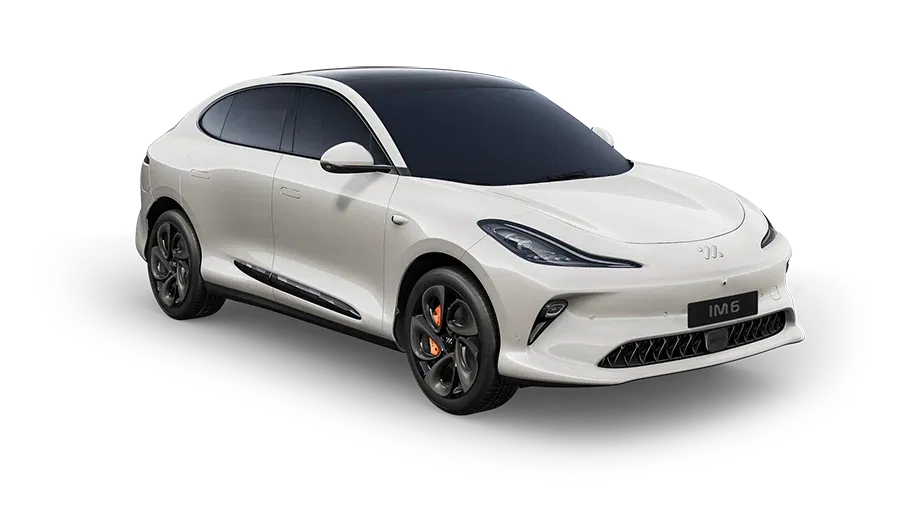
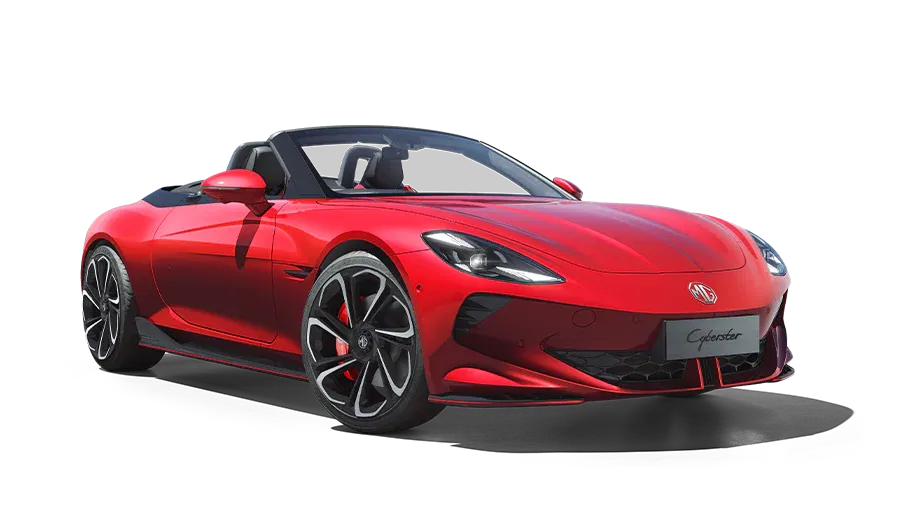
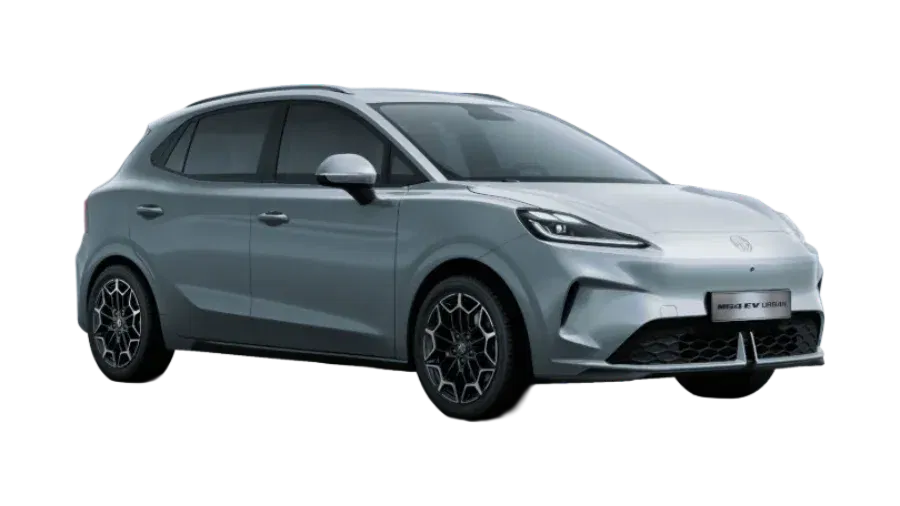
Petrol, Hybrid or Electric MG
October 22, 2026 1:40 pmPetrol, Hybrid or Electric MG: Which Is Right for You?
Choosing your next car starts with how you actually drive. Compare petrol, MG HYBRID+, plug-in hybrid and fully electric options before you decide.

There is no single best powertrain for everyone. A petrol MG can suit drivers who want straightforward refuelling, an MG HYBRID+ can combine petrol convenience with electric assistance, a plug-in hybrid adds externally rechargeable electric driving, and a battery-electric MG runs without a petrol engine. The right choice depends on your kilometres, access to charging and daily routine.
Whether you are travelling to work, driving the kids to sport or planning longer weekends away, the key is to compare how each vehicle fits the trips you make most often—not just the occasional longest journey.
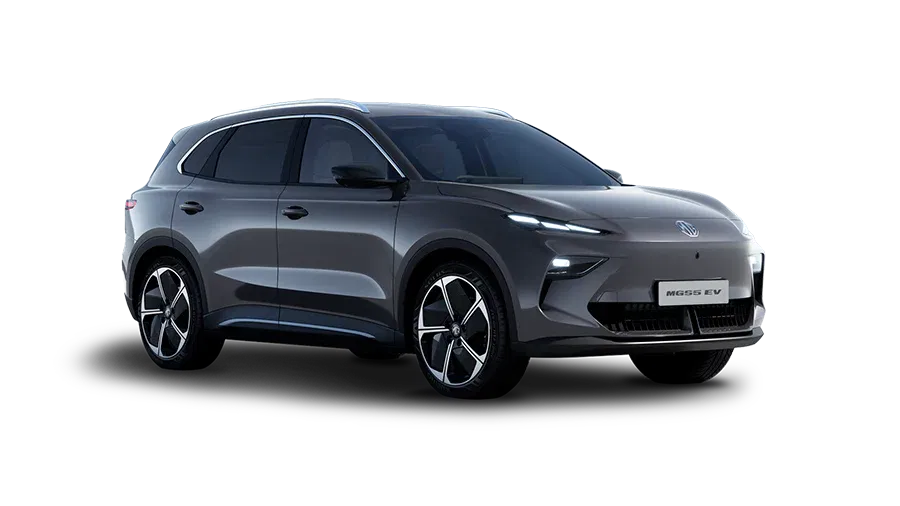
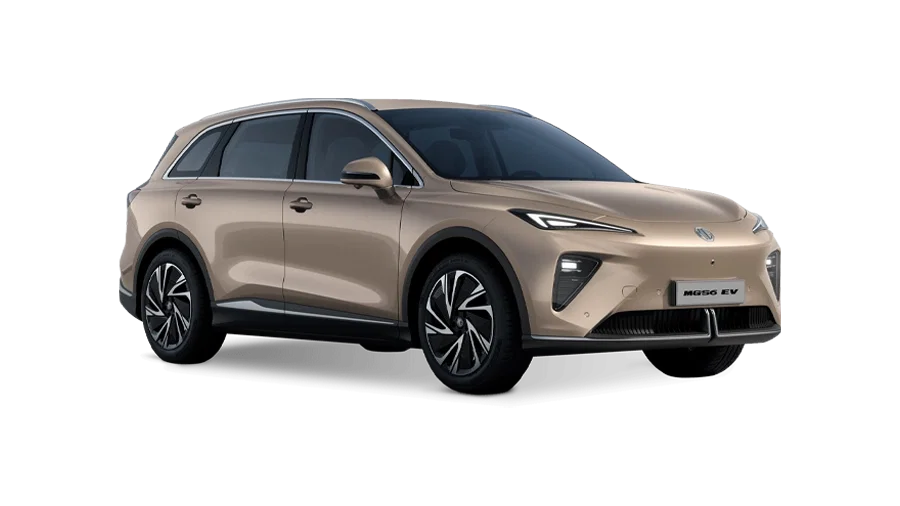
MG offers Australian shoppers several ways to drive, including petrol models, self-charging HYBRID+ vehicles, the plug-in MG HS SUPER HYBRID and battery-electric models such as the MG4 EV and MGS5 EV. Specific features and availability depend on the model and variant.
Petrol vs hybrid vs electric: what changes?
Petrol cars use an internal-combustion engine and refuel at a service station. They are familiar to use and can be convenient for drivers who do not have access to charging at home or work. Fuel consumption varies with the vehicle, road conditions and driving style.
MG HYBRID+ pairs a petrol engine with an electric motor and a battery that recharges through the vehicle’s own systems, including energy recovery during deceleration. You do not plug it in. By contrast, MG SUPER HYBRID is a plug-in hybrid: it can be charged from an external power source and still has a petrol engine for longer journeys.
Battery-electric MGs use electric motors and a rechargeable traction battery rather than a petrol engine. They need access to charging, whether at home, work or public stations. Published driving-range figures are laboratory estimates; actual range changes with speed, terrain, weather, accessories and driving habits.
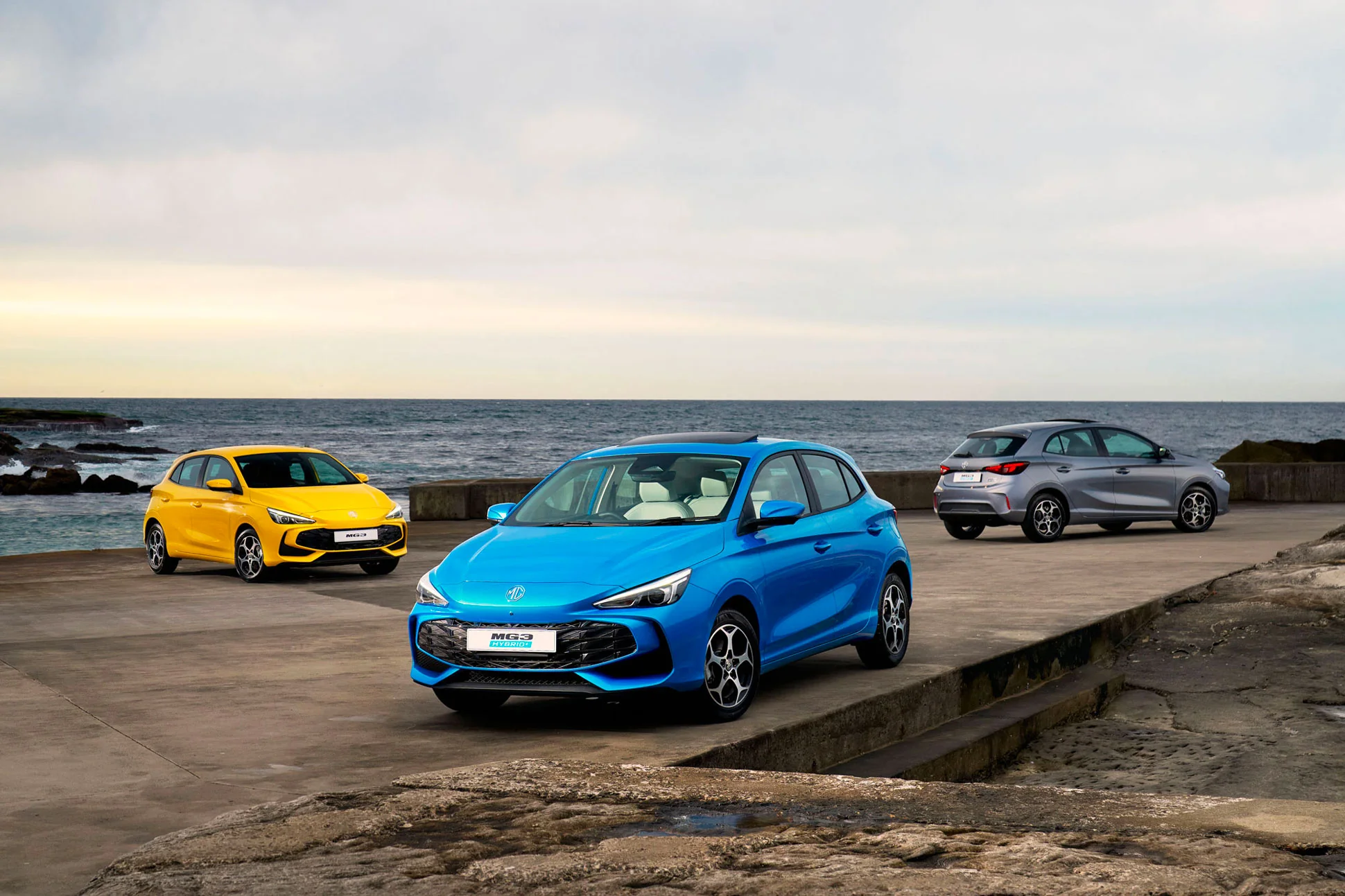
Four MG powertrain choices explained
MG’s Australian range includes four useful options to consider. Their everyday advantages differ, so shortlist by the type of driving you do rather than assuming one technology is automatically better.
Petrol
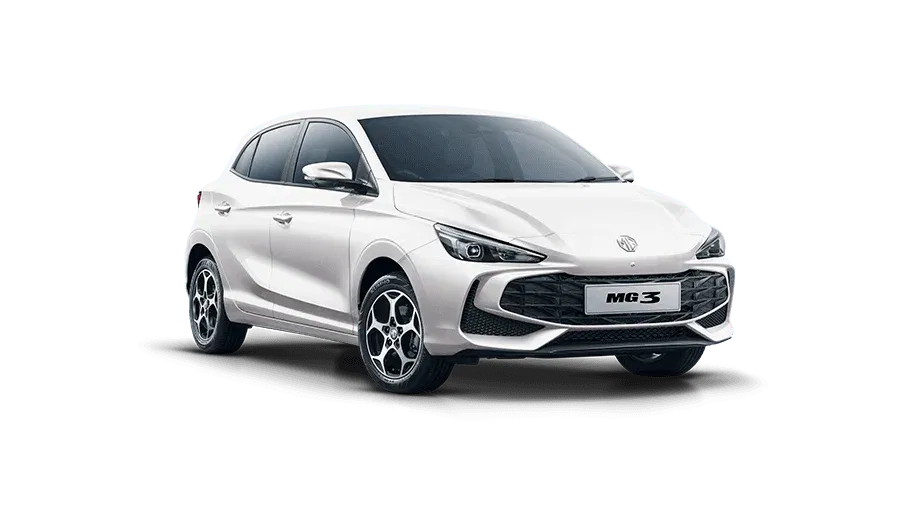
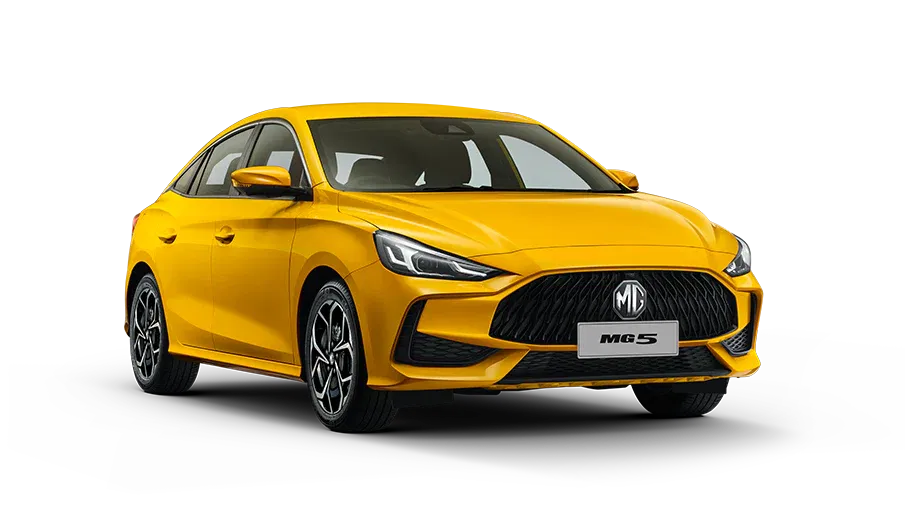
An easy-to-understand option for drivers who value service-station refuelling and do not want to organise charging. The MG3, MG ZS and MG HS ranges include petrol choices.
HYBRID+
A petrol-electric hybrid that charges itself while driving. Consider the MG3 HYBRID+, MG ZS HYBRID+ or MG HS HYBRID+ if you want hybrid driving without an external charging routine.
SUPER HYBRID
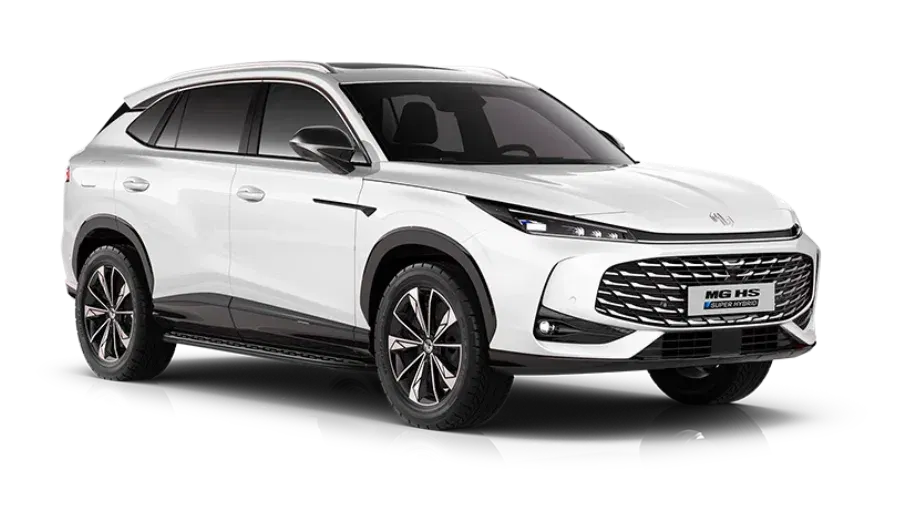
MG’s plug-in hybrid approach. The MG HS SUPER HYBRID can use externally charged battery power for some journeys and petrol power when needed. Its value depends partly on how often you plug in.
Fully electric
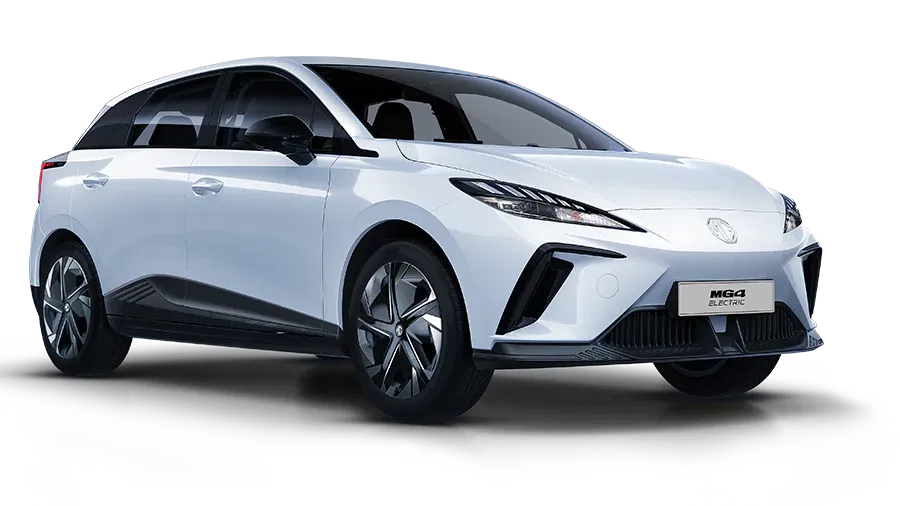
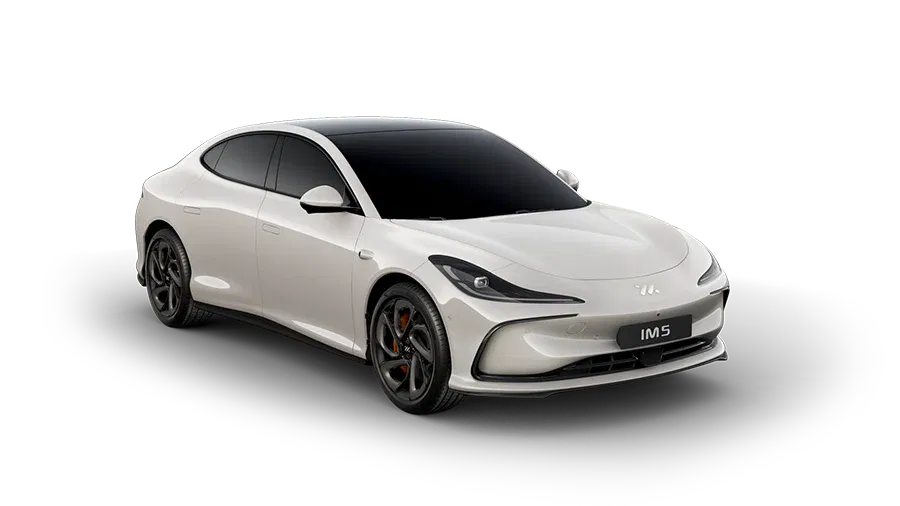
An option for drivers ready to plan around charging. MG4 EV, MG4 EV Urban and MGS5 EV are examples of MG battery-electric vehicles listed for Australia.
Which MG suits your daily driving?
Start with a typical week. Think about your commute, school runs, shopping, parking arrangements and weekend travel. How many kilometres do you drive before returning home, and how often do you take longer trips?
Also consider where the car lives overnight. The practical difference between convenient home charging and relying on public charging can matter more to your experience than a headline range figure.
Mostly city and suburban driving
Frequent stops and lower-speed travel make it worth comparing a HYBRID+ and a fully electric MG. A HYBRID+ does not require plugging in, while an EV may fit well if you can recharge predictably between trips. Compare cabin space and visibility as carefully as the powertrain.
Regular regional trips and weekends away
Petrol and hybrid options provide familiar fuel stops on longer drives. An electric MG may also suit, provided its real-world range and available charging stops work for your route. Check the route and charging availability before relying on a particular plan.
A household with off-street charging
If you have suitable parking and a safe charging arrangement, a battery EV or plug-in SUPER HYBRID deserves a closer look. Compare installation costs, your electricity tariff and how often the car will be connected. Have any electrical installation assessed by a licensed professional.
At-a-glance comparison
The table below compares everyday ownership considerations, not specific variants or advertised performance. It is a starting point for narrowing your shortlist.
Remember that purchase prices, running costs and equipment vary across individual vehicles. Review the current Australian specification and total ownership costs for the exact model you are considering.
| Powertrain | How it is powered | Best fit to consider |
|---|---|---|
| Petrol | Petrol engine; refuel at service stations. | Drivers who prefer conventional refuelling or have no regular charging access. |
| MG HYBRID+ | Petrol engine and electric motor; battery recharges while driving. | Drivers wanting petrol flexibility and electric assistance without plugging in. |
| MG SUPER HYBRID (PHEV) | Petrol engine plus externally rechargeable battery. | Drivers who can charge often but also want petrol for longer journeys. |
| Battery electric (EV) | Electric motor and rechargeable battery; no petrol engine. | Drivers with practical charging access whose normal trips fit the vehicle’s range. |
How to think about running costs
Look beyond the purchase price. A useful comparison includes fuel or electricity, routine servicing, tyres, insurance, registration and any charging equipment. The cheapest option to buy will not always be the cheapest to own for your particular mileage.
For a petrol or hybrid vehicle, calculate fuel costs using your likely annual kilometres, the relevant official consumption figure and a realistic local fuel price. For an EV or plug-in hybrid, consider electricity rates, charging losses and the share of charging done at home versus paid public stations. Real-world consumption may differ from brochure figures.
Servicing is another factor, but it varies by model and schedule. Electric cars do not need petrol-engine oil changes, yet they still need checks and maintenance for items such as tyres, brakes and other vehicle systems. Compare the current MG servicing information for the exact variant you shortlist.
Three questions to ask before choosing
A good test drive should confirm more than acceleration. Use it to check seating, visibility, rear-seat comfort, boot practicality and how intuitive the controls feel. If you are comparing technologies, ask to experience the driving modes relevant to your shortlist.
Bring a simple record of your normal weekly driving and any questions about parking or charging. It makes the conversation more useful and helps you avoid choosing based solely on a specification sheet.
1. Can I charge where I park?
If the answer is no, an MG HYBRID+ or petrol model may be simpler to manage. An EV is still possible with reliable public charging, but consider the time, distance and cost involved. A plug-in hybrid is most useful when you can charge it regularly.
2. What are my longest regular trips?
Do not focus only on your average commute. Check the longer journeys you make every month, passenger and luggage needs, and whether convenient charging or refuelling stops are available. Allow a practical range buffer for unexpected conditions.
3. Which size and features do I need?
Compare hatchback and SUV layouts, child-seat fitment, driver-assistance features and technology by model and grade. A suitable cabin and budget often narrow the decision before you even choose a powertrain.
Explore MG models for your shortlist
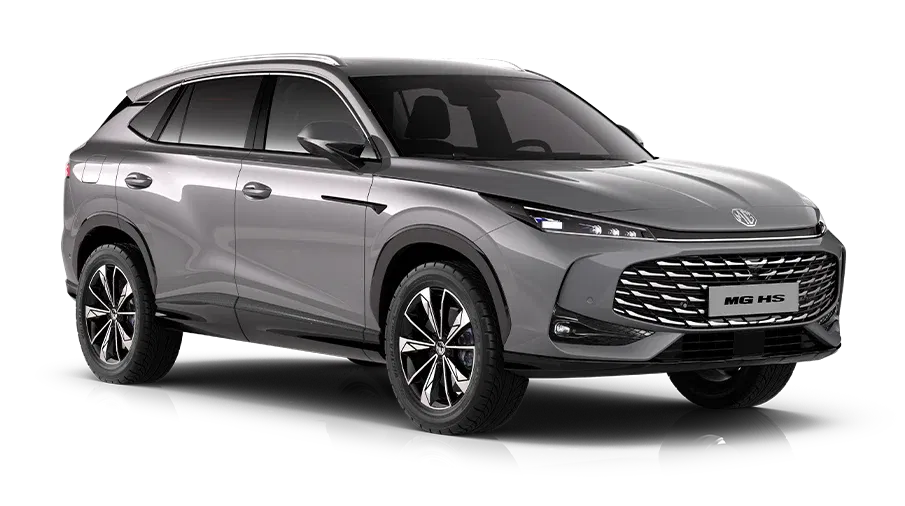
If you are comparing smaller cars, start with the MG3 petrol and HYBRID+ range. If you prefer a mid-size SUV with petrol, HYBRID+ and plug-in choices, consider the MG HS range. If you are interested in a fully electric hatchback, explore the MG4 EV. Each official model page provides more information about the Australian range.
The best next step is to compare two or three realistic options and test drive them. Confirm the latest specifications, variant equipment, current availability and ownership details with an authorised MG dealer before making a decision.
Find the MG that fits your life
Petrol, hybrid or electric, a considered shortlist begins with your daily routine. Find an authorised MG dealer to compare the current range and arrange a test drive.
Find an MG DealerFrequently asked questions
Do MG HYBRID+ cars need to be plugged in?
No. MG HYBRID+ vehicles recharge their hybrid battery through the vehicle’s own systems while driving. They still use petrol. The MG HS SUPER HYBRID is different: it is a plug-in hybrid and can be charged externally.
Is an MG hybrid the same as an electric MG?
No. A hybrid combines a petrol engine with electric assistance. A battery-electric MG uses electric motors and a traction battery without a petrol engine, so it must be recharged from an external source.
Which MG is better for long-distance driving?
It depends on your route, charging access, passenger needs and driving preferences. Petrol and hybrids offer familiar refuelling. An electric MG can also make longer trips when appropriate charging stops and range buffers are planned.
Will an electric MG cost less to run than petrol?
It can, but there is no universal saving. Compare the specific vehicles using your annual kilometres, electricity or fuel prices, charging arrangements, insurance, servicing and initial purchase cost.
What MG models come with hybrid or electric options?
The Australian MG range includes HYBRID+ versions of the MG3, ZS and HS, the plug-in MG HS SUPER HYBRID, and battery-electric models such as the MG4 EV and MGS5 EV. Check the current MG Australia range for the latest availability and variants.